


Prevent ecommerce chargebacks using a six-lever defense stack covering fulfillment reliability, branded packaging, accurate listings, proactive communication, generous refunds, and fraud tooling.
Published:
June 16, 2026
Author:
Yi Cui
Most ecommerce sellers treat chargebacks as a nuisance fee. They are actually an existential business risk. Visa and Mastercard enforce strict chargeback ratio thresholds, typically set at 0.9% for standard monitoring and 1.5% for excessive programs. Exceeding these limits triggers monitoring programs, escalating fines, and eventual processor termination. Worse, merchants who fail to comply risk being placed on the MATCH (Member Alert to Control High-Risk Merchants) list. This effectively blacklists a merchant from traditional payment processing for up to five years. This guide is not just about recovering a $40 transaction. It is about protecting your business continuity.
Ecommerce transactions are inherently more vulnerable to disputes than in-person retail. The asymmetry of card-not-present (CNP) transactions creates structural triggers for chargebacks. Customers never physically inspect the product before purchase, creating expectation gaps. Delivery delays, especially acute in dropshipping, lead directly to "item not received" (INR) disputes. Unbranded or unfamiliar sender names on packages confuse customers into thinking they are victims of fraud. Product pages that over-promise lead to "item not as described" (INAD) disputes. Finally, weak post-purchase communication leaves customers feeling abandoned, pushing them to contact their bank instead of the store.
To understand these vulnerabilities, we developed the Branvas Dispute Trigger Matrix. This 2×2 framework maps chargeback causes based on whether they are controllable by the merchant and when they occur in the customer journey.
| Pre-Purchase Triggers | Post-Purchase Triggers | |
|---|---|---|
| Merchant Controllable | Vague product descriptions, unclear return policies | Unbranded packaging, poor customer service communication |
| Externally Driven | Stolen card fraud (third-party fraud) | Supplier shipping delays, postal carrier losses |

A chargeback ratio is a critical metric calculated by dividing the number of chargebacks received in the current month by the total number of transactions processed in the previous month, multiplied by 100.
Visa and Mastercard monitor these ratios closely. Visa's upcoming Acquirer Monitoring Program (VAMP) sets the excessive threshold at 1.5% for North America and the EU starting April 2026 [1]. Mastercard's Excessive Chargeback Merchant (ECM) program triggers when a merchant exceeds 100 chargebacks and a 1.5% ratio [2]. The escalation path is severe: Early Warning leads to Standard monitoring, then Excessive status, accompanied by fines that can reach $100,000 per month, and ultimately, account termination and placement on the MATCH list.
Consider a worked example: A store processes 800 transactions in January. In February, they receive 10 chargebacks. Their chargeback ratio is (10 ÷ 800) × 100 = 1.25%. While under the 1.5% excessive threshold, this places the merchant dangerously close to the limit and likely triggers early warning alerts from their processor, requiring immediate remediation.

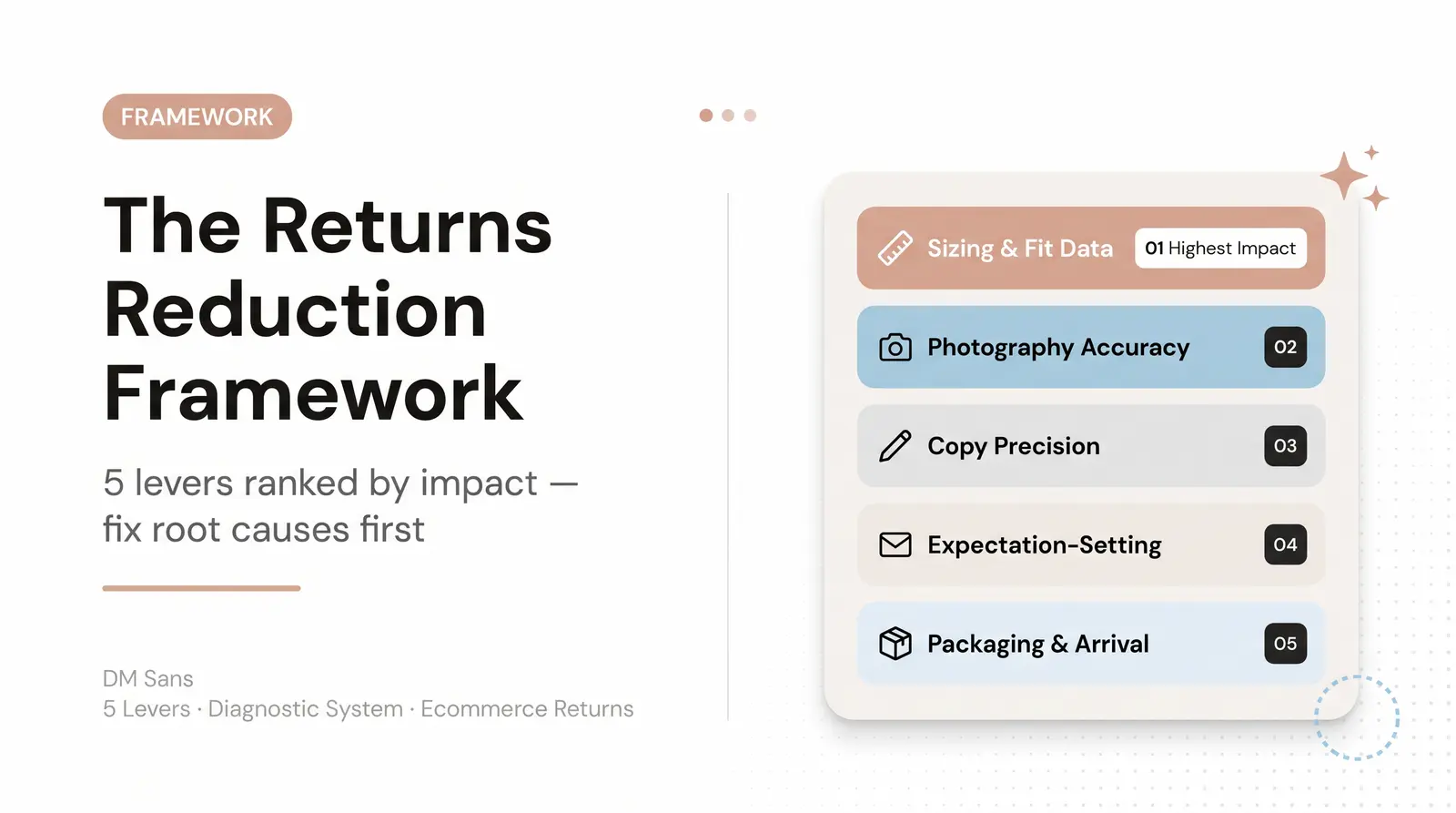
Protecting your store requires a comprehensive approach. We call this The Branvas Chargeback Defense Stack — a prioritized system of six prevention levers.
Fulfillment reliability is the most underrated lever in chargeback prevention. "Item Not Received" is consistently among the top chargeback reason codes. Delivery delays, missing tracking information, and a lack of shipping confirmation emails are the root causes. Unmanaged dropshipping with slow overseas fulfillment is a structural liability. In our experience at Branvas, sellers who switch from unmanaged dropshipping to a reliable branded fulfillment model see a measurable drop in INR disputes within the first 90 days.
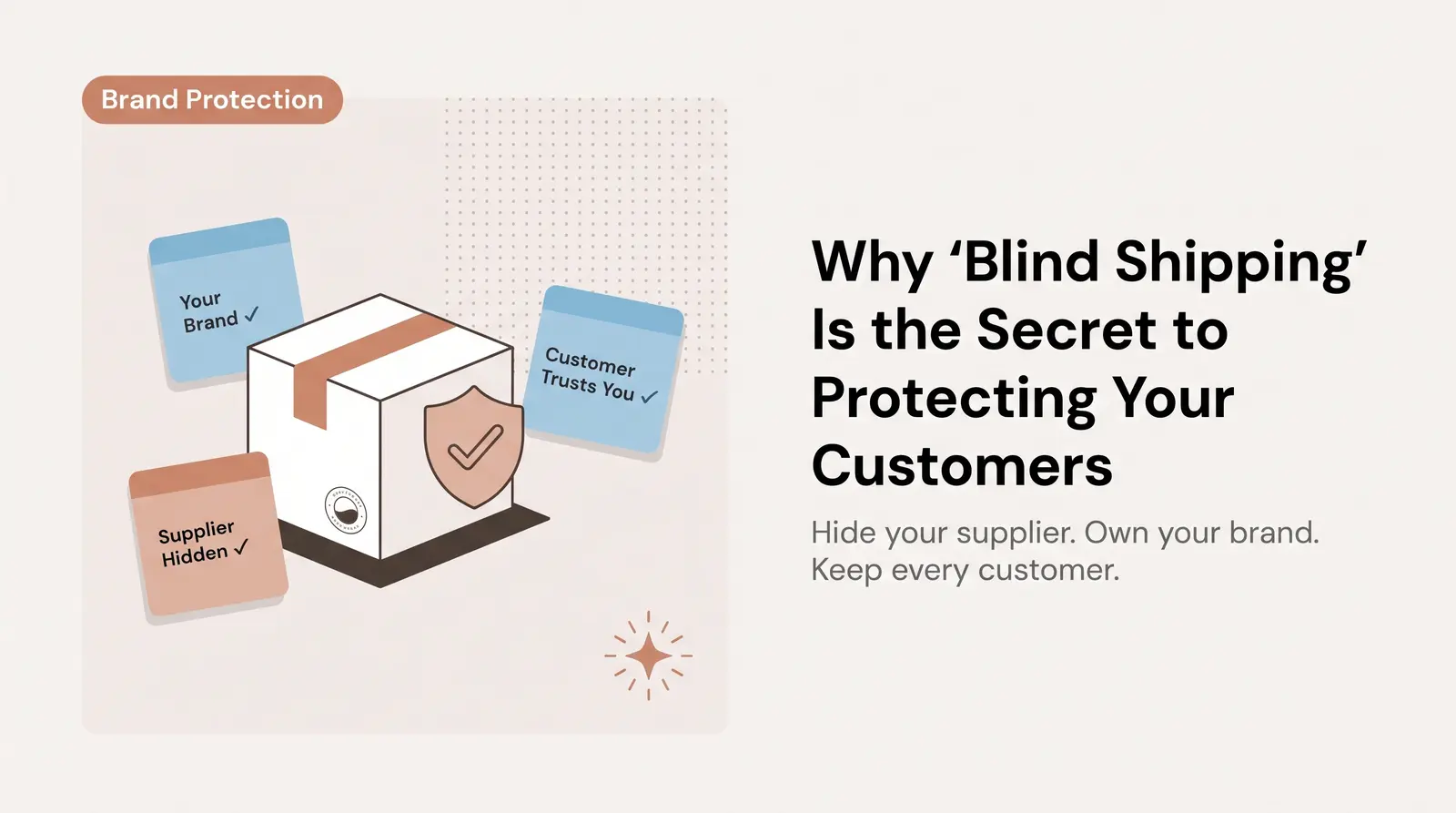
A massive, overlooked cause of disputes is simple confusion. Customers see an unfamiliar company name on their credit card statement or receive an unbranded box and genuinely believe it is fraud. They dispute the charge not out of malice, but out of confusion. Using branded packaging and ensuring your DBA (Doing Business As) name matches what the customer sees at checkout is a direct and highly effective chargeback prevention tactic.
"Item Not As Described" (INAD) disputes stem from expectation gaps. Detail-rich descriptions, high-quality real photography, accurate sizing and material callouts, and clear disclaimers significantly reduce claims that the product received was not what was ordered.
Communication is your best defense against anxiety-driven chargebacks. Confirmation emails, shipping notifications with active tracking links, delivery confirmations, and proactive alerts about any delays are essential. Customers who are kept informed almost never file disputes; they email support instead.
It may seem counterintuitive, but a customer who can get a refund in two clicks will not go to their bank. Making returns frictionless is a powerful prevention tool. A chargeback costs significantly more in fees, overhead, and ratio damage than most refunds.
While addressing true fraud is important, you must also be prepared for chargeback representment. Utilize CVV checks, AVS matching, and 3D Secure authentication to block stolen cards. Separately, maintain robust evidence packages, including IP logs, delivery confirmations, customer communication records, and signed terms of service, to successfully fight illegitimate disputes.

Friendly fraud, also known as first-party misuse, occurs when a legitimate customer disputes a charge they authorized. This category accounts for up to 75% of all chargebacks [3]. Friendly fraud is rising in ecommerce, driven by three subtypes: deliberate abuse (chargeback fraud), buyer's remorse, and genuine transaction confusion.
Most chargeback prevention advice focuses heavily on fraud tooling. However, for the average ecommerce store, friendly fraud is a significantly larger problem than stolen card fraud. Optimizing your communication and refund process will outperform investing in complex fraud detection software for most small-to-mid-size merchants. When fighting friendly fraud, strong representment evidence—such as proof of delivery and communication logs—is essential to win the dispute.

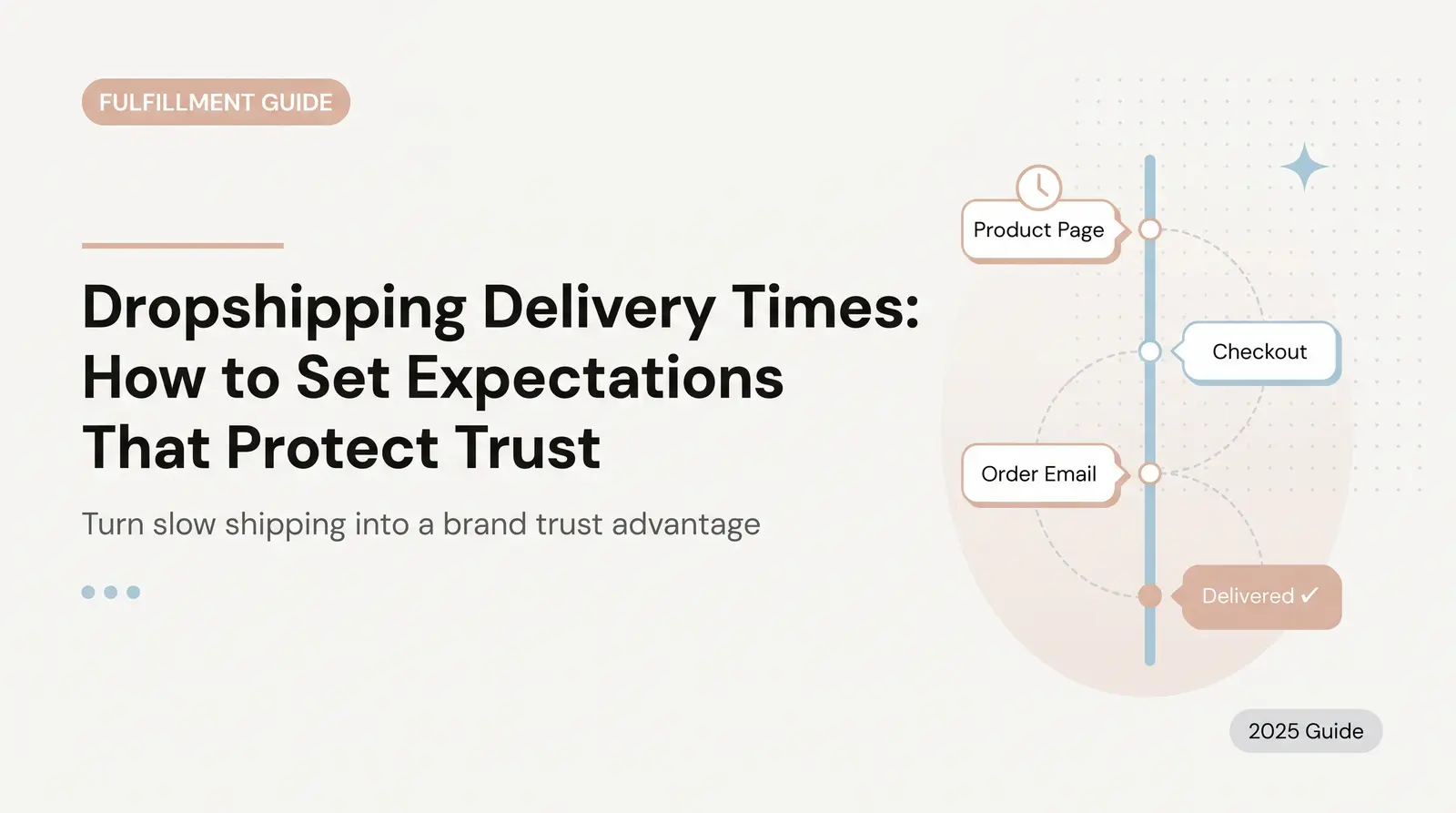
The dropshipping model carries inherently elevated chargeback risks. Long fulfillment windows, often stretching 15 to 45 days, inflate "Item Not Received" disputes. Supplier-side quality inconsistency drives "Item Not As Described" claims. Furthermore, the lack of control over packaging means no brand recognition, increasing confusion-based disputes. It is important to note that marketplace policies on platforms like eBay or Amazon do not protect you from processor-level chargeback ratios.
If fulfillment reliability is your primary chargeback vulnerability, Branvas offers a private-label model with branded packaging and managed fulfillment. Explore how it works at branvas.com/how-it-works.

Operational readiness is key to surviving disputes. You must know what records to keep and for how long. Essential records include transaction logs, IP addresses, device fingerprints, customer communication history, proof of delivery, and copies of product descriptions at the time of sale. Understand the timelines required by processors to respond to a chargeback notice. For merchants facing high volumes, utilizing a chargeback management service or exploring chargeback insurance products can provide necessary support.

Chargebacks are not merely a line item expense; they are a fundamental business continuity issue. Implementing a layered defense approach that prioritizes fulfillment reliability, clear communication, and robust evidence gathering is essential.
If you're building or scaling an ecommerce brand and want a fulfillment model that reduces the structural causes of chargebacks from day one, Branvas is built for exactly that. See Branvas pricing and how it works →

1. What is a chargeback ratio and what is the maximum allowed?
A chargeback ratio is the percentage of your transactions that result in a dispute, calculated by dividing current month chargebacks by previous month transactions. Visa and Mastercard typically enforce an excessive threshold of 1.5%. Exceeding this limit can result in heavy fines and account termination.
2. What is the difference between a chargeback and a refund?
A refund is a voluntary return of funds processed directly by the merchant. A chargeback is a forced reversal initiated by the customer's bank. Chargebacks incur additional processor fees, damage your merchant ratio, and can threaten your ability to process payments.
3. Can chargebacks get my Shopify or Stripe account banned?
Yes. Payment processors like Shopify Payments and Stripe actively monitor chargeback ratios. If your ratio consistently exceeds 1%, they may hold your funds, increase processing fees, or permanently terminate your account to mitigate their own financial risk.
4. What is friendly fraud and how do I fight it?
Friendly fraud occurs when a legitimate customer disputes a valid, authorized transaction, often due to confusion or buyer's remorse. You can fight it through representment by submitting compelling evidence, such as delivery confirmations, IP logs, and customer communication records, proving the transaction was legitimate.
5. How does dropshipping increase my chargeback risk?
Dropshipping relies on third-party suppliers, often leading to extended shipping times (15-45 days) and inconsistent product quality. These factors directly increase "Item Not Received" and "Item Not As Described" disputes. Additionally, unbranded packaging can confuse customers, leading to fraud claims.
[1] New VAMP: Visa's changes to dispute thresholds — Ravelin, 2025
[2] What is the Mastercard Chargeback Threshold? — Chargebacks911, 2025
[3] Chargeback Statistics 2025: Trends, Costs & Solutions — Chargeflow, 2025
[4] Sellers beware: Getting to the bottom of first-party fraud — Mastercard, 2024
[5] Why Chargebacks Cost More Than You Think — Mastercard, 2025