


Use the 7-point Brand-Readiness Score to audit dropshipping suppliers and ensure every order reflects your brand, not a generic wholesale transaction.
Published:
March 17, 2026
Author:
Yi Cui
Most suppliers ship products. Few can ship your brand.
Imagine this: you launch your store, run your first successful ad campaign, and the orders start rolling in. You feel like a real founder. Then, a week later, a customer DMs you a photo of their delivery. It’s a crumpled, generic poly bag. Inside is a cheap plastic wrapper, a Mandarin return label, and absolutely zero trace of the brand you spent months building.
This is "supplier shame." It is the visceral, sinking realization that your customer’s first physical interaction with your business looks like a cheap wholesale transaction. In an era where unboxing is a core part of the product experience, shipping generic packages is a fast track to losing customer trust.
This article gives you a concrete, actionable framework to grade any supplier before you commit. We will show you exactly how to ensure you never get caught shipping unbranded boxes that embarrass your brand in front of customers.
A regular dropshipping supplier fulfills orders. A brand-ready supplier extends your brand identity into the physical customer experience. The structural differences between the two dictate whether you are building a long-term asset or just flipping products.
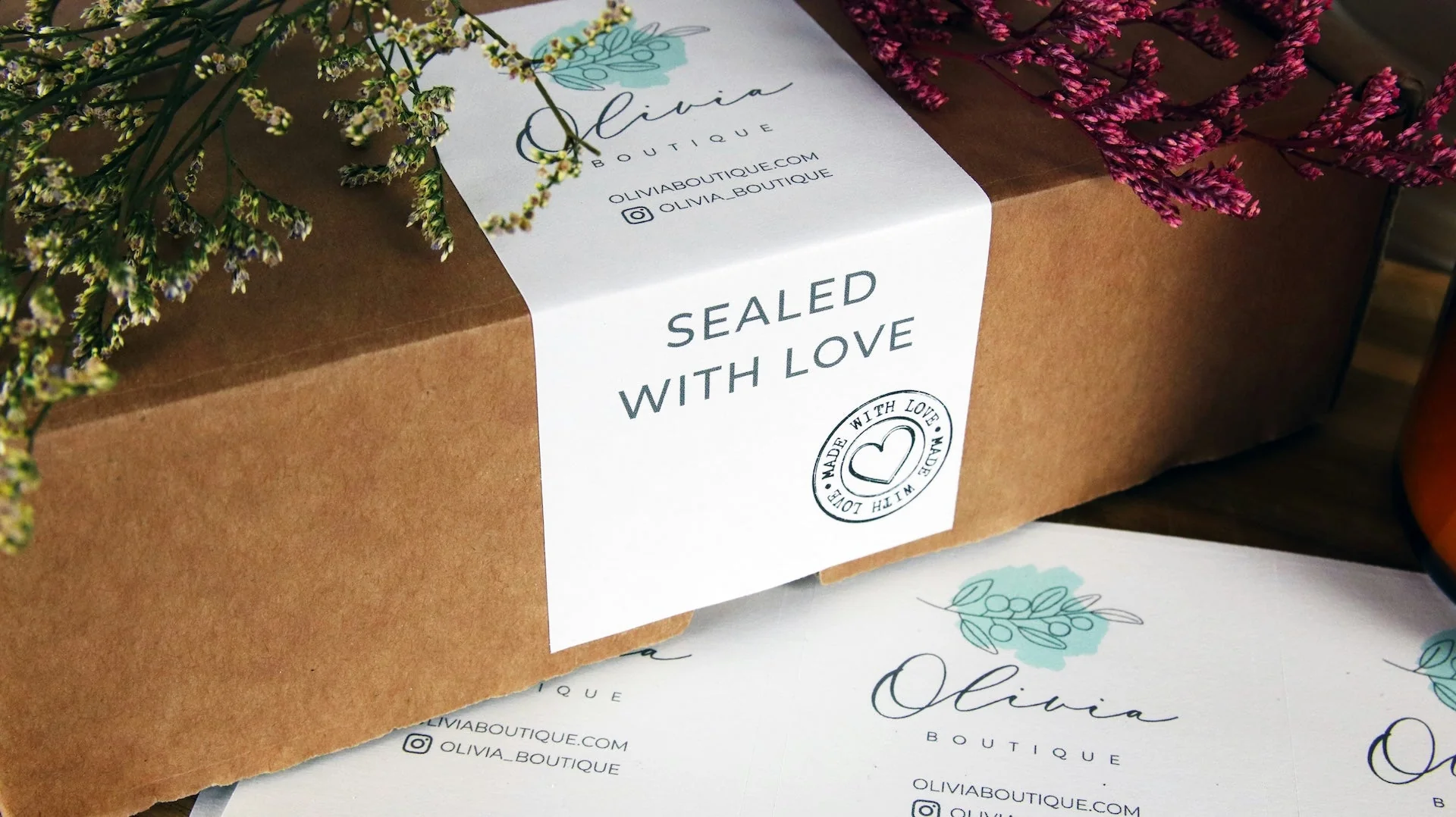
A true brand-ready partner offers SKU-level control, meaning product variants are mapped to your catalog and taxonomy, not theirs. They give you packaging ownership, allowing you to control the box, the bag, and the tissue paper. They solve the returns address problem by ensuring customer-facing return labels never reveal an AliExpress or Alibaba origin. They provide blind shipping, which is non-negotiable for DTC brands, ensuring the supplier's identity remains completely hidden [1]. Finally, they offer content library access, providing branded lifestyle photography rather than just generic, white-background catalog shots.
Most sellers obsess over product quality, but the packaging is the product for the first 90 seconds of the customer experience-and that window disproportionately drives reviews, UGC, and repeat purchases. Research shows that 52% of consumers are more likely to repeat purchases if their orders are shipped in premium packaging, and 40% of shoppers share photos of unique or branded packaging on social media [2].
We often see founders reach out to Branvas after their first 50 orders-not because the product failed, but because the unboxing experience did.

To help founders evaluate potential partners, we developed the Brand-Readiness Score (BRS). This proprietary scoring rubric evaluates whether a dropshipping supplier is actually equipped to represent a real brand. Use this practical audit tool before signing with any supplier.
| # | Audit Dimension | What to Look For | Red Flag | Max Points |
|---|---|---|---|---|
| 1 | Custom Packaging | Branded boxes, bags, tissue, or mailers with your logo | Generic poly bags, no customization option | 20 |
| 2 | Branded Inserts | Thank-you cards, care instructions, discount cards with your brand | No insert program, or supplier-branded inserts | 15 |
| 3 | Blind Shipping | Ship-from address and return label show your brand, not supplier | Supplier name/address on any label | 20 |
| 4 | QC Standards | Documented QC process, photo evidence before ship | No QC visibility, high dispute rate | 15 |
| 5 | SKU Control | Your SKUs map to supplier inventory; you control variant naming | Forced to use supplier's SKU taxonomy | 10 |
| 6 | Content Library | Brand-ready product photography or UGC-style assets available | Only generic white-background catalog photos | 10 |
| 7 | Returns Management | Returns processed under your brand; branded return instructions | Returns go to supplier address; customer sees origin | 10 |
| TOTAL | 100 |
Scoring interpretation:
In our experience at Branvas, most AliExpress-based suppliers score between 15–30. Most domestic white-label suppliers score 45–65. A true Brand-as-a-Service partner should score 85+.

Let’s look at an illustrative scenario of a jewelry seller evaluating two suppliers: Supplier A (a standard overseas dropshipper) and Supplier B (a brand-ready BaaS partner like Branvas).
Supplier A ships products cheaply but offers no custom packaging (0/20) and no branded inserts (0/15). They claim to offer blind shipping, but their return labels still show a foreign warehouse address (5/20). Their QC is a black box (5/15), and you must use their SKU names (0/10). They provide basic catalog photos (5/10), and returns are a nightmare for the customer (0/10). Total BRS: 15/100.
Supplier B provides custom-printed jewelry boxes (20/20) and includes your branded care cards (15/15). They utilize strict blind shipping with your brand name on the label (20/20). They have a documented QC process (15/15) and allow full SKU mapping (10/10). They provide access to a Brand Studio with lifestyle assets (10/10) and handle returns under your brand identity (10/10). Total BRS: 100/100.
The customer experience contrast is visceral. With Supplier A, the customer receives a crushed poly bag weeks late, feels cheated, and never orders again. With Supplier B, the customer receives a beautiful, branded jewelry box, posts an unboxing video on TikTok, and returns to buy a matching bracelet.

Convert the BRS into this quick-reference checklist. Ask these questions before you commit to any supplier:
If you're evaluating suppliers for a jewelry or accessories brand, the Branvas Catalog is worth benchmarking against this checklist-it was built around these exact requirements.

Jewelry and accessories are high-stakes categories for brand presentation. A t-shirt can survive a poly bag, but a necklace cannot.
Jewelry is a high-emotion, gift-heavy category. The unboxing is part of the product. Studies show that 73% of consumers agree that products in luxury packaging feel higher in quality [3]. This directly impacts price anchoring: a $15 necklace presented in a premium, branded gift box can easily be priced at $45. That same necklace arriving in a generic plastic wrapper is a $12 item at best.
Furthermore, unboxing moments in the jewelry space are highly shareable. Branded packaging drives organic user-generated content (UGC), while generic packaging kills it. Finally, trust is fragile. A customer who buys a "luxury" piece but sees a foreign warehouse return address loses brand trust permanently.
We built Branvas specifically because we watched talented creators build real audiences-and then lose customer trust at the moment of delivery. Whether you are an ecommerce veteran or exploring solutions for influencers and creators, the physical delivery must match the digital promise.

Brand-ready dropshipping allows you to sell products that are fulfilled by a supplier but packaged and presented entirely under your brand identity. Unlike regular dropshipping, which often uses generic packaging and exposes the supplier's origin, brand-ready partners offer custom boxes, branded inserts, and strict blind shipping. This ensures the customer believes the product came directly from your brand.
Blind shipping is a fulfillment method where the supplier's name and identity are completely hidden from the customer. The return address and packing slips display your brand's information instead. DTC brands need this to protect their brand equity, maintain premium pricing, and prevent customers from discovering the wholesale source of the products.
Yes, you can get custom packaging with dropshipping if you partner with a brand-ready supplier. While traditional suppliers require you to buy inventory in bulk to get custom boxes, modern Brand-as-a-Service platforms integrate custom packaging directly into the dropshipping fulfillment process without requiring you to hold inventory.
A reliable white label jewelry supplier should offer high-quality base products, strict quality control, and the ability to apply your branding to the packaging. You should look for partners that provide blind shipping, lifestyle product photography, and reliable domestic or fast international shipping times to ensure a premium customer experience.
To protect your supplier source, you must mandate strict blind shipping agreements. Ensure your supplier uses your brand name on all shipping labels, packing slips, and tracking emails. Additionally, use custom packaging and branded inserts so the physical delivery contains no generic supplier identifiers or foreign warehouse return addresses.

Supplier selection is a brand decision, not just a logistics decision. You can have the best ad creative and the most beautiful website, but if the physical product arrives looking like an afterthought, your brand equity drops to zero.
Use the Brand-Readiness Score framework as a repeatable tool to audit your partners. Every order shipped in a generic box is a brand impression lost, a missed UGC opportunity, and a potential customer who will never return.
If you're ready to launch a jewelry or accessories brand that customers actually remember, see how Branvas works-and use the profit calculator to model your margins before you commit to a supplier.