


The dream of running a profitable jewelry business without ever touching the inventory, managing a warehouse, or printing a shipping label is no longer a distant fantasy. For modern entrepreneurs, it’s the new baseline. As the global online jewelry market accelerates toward a projected $115.4 billion by 2029 [1], the operational complexities of manual dropshipping are failing to keep pace. Founders are burning out, not from a lack of sales, but from the friction of disjointed supply chains, inconsistent branding, and the endless manual effort required to simply get a product to a customer.
This guide is written from the perspective of a team that has worked hands-on with jewelry dropshipping suppliers and brand launches. We’ve seen firsthand the pain points that emerge when operations break under the weight of scale. The solution isn’t just finding a supplier who ships products; it’s partnering with an infrastructure provider who delivers a truly hands-free experience. This article reframes what “hands-free” means in 2026 and provides a proprietary framework for evaluating suppliers, helping you move beyond basic logistics to build a scalable, brand-first jewelry business.
What “Hands-Free Jewelry Dropshipping” Really Means in 2026
For years, “dropshipping” simply meant a supplier would ship a product on your behalf. But in 2026, that definition is dangerously incomplete. True hands-free jewelry dropshipping is a holistic system that automates the entire operational workflow, allowing you to focus on brand-building and growth. It’s the difference between being a reseller and a business owner.
A genuinely hands-free model is built on a foundation of deep integration and automation across several key layers:
-
Automated Order Processing: Orders from your ecommerce platform (like Shopify) are automatically sent to your supplier’s system without any manual forwarding or data entry. This eliminates a major bottleneck and potential for human error [2].
-
Real-Time Inventory Sync: Your store's inventory is continuously synchronized with your supplier’s stock levels. This prevents overselling popular items and ensures your product availability is always accurate, protecting your brand’s reputation.
-
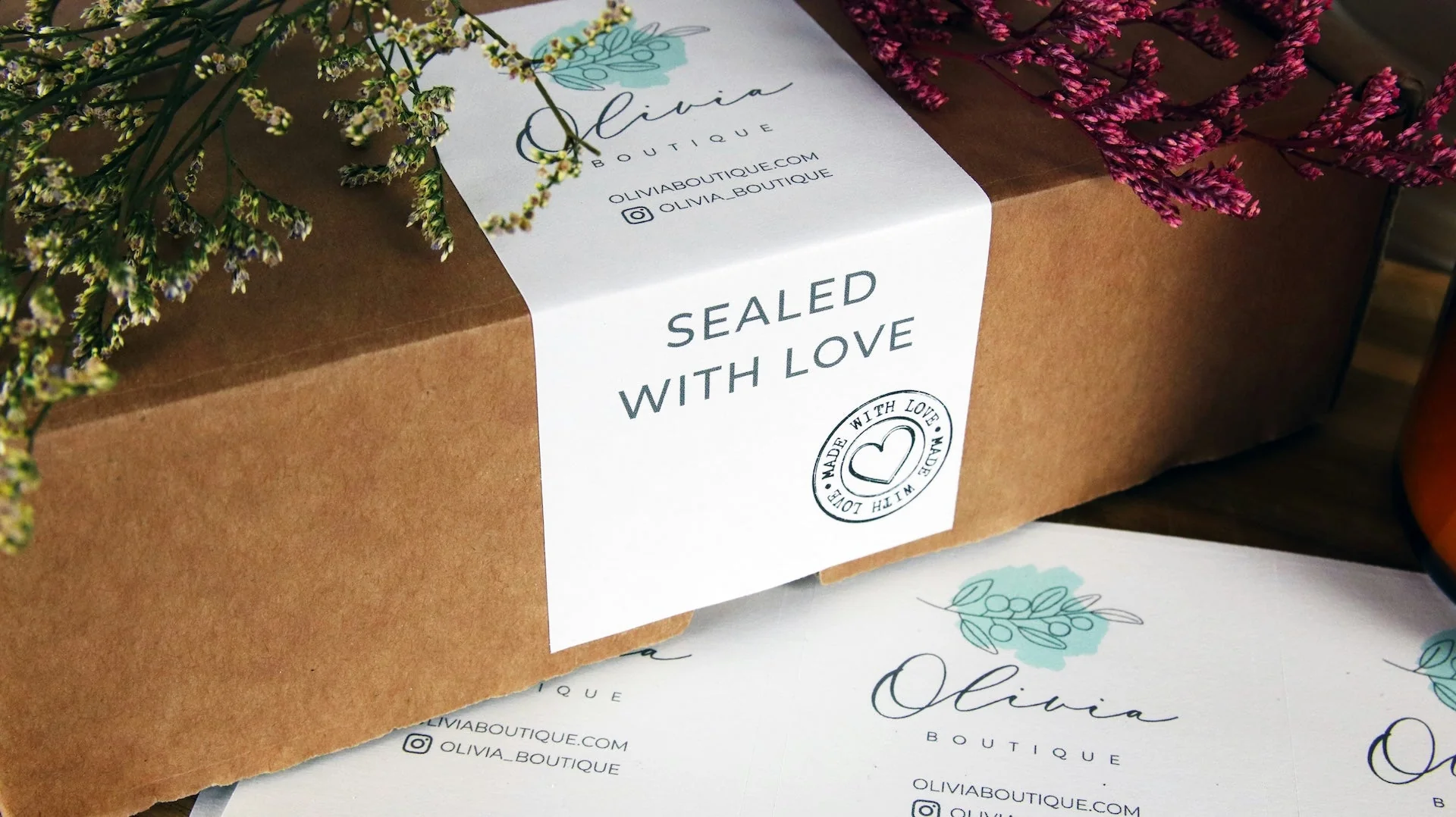
Branding & Packaging: The customer’s unboxing experience is a critical brand touchpoint [3]. A hands-free partner doesn’t just ship a generic package; they offer private-labeling options, allowing you to include custom-branded packaging, inserts, and a consistent brand presentation with every order.
-
Global Fulfillment & Tracking: With 90% of global shoppers expecting two- to three-day shipping as standard [4], your supplier must offer fast, reliable, and tracked shipping to key markets like the US and Europe. Once an order is shipped, tracking information should be automatically sent to the customer, maintaining professional communication.
-
A Customer-Ready Experience: Ultimately, a hands-free supplier delivers an experience that is seamless for both you and your end customer. This includes quality control, consistent packaging, and a reliable returns process, ensuring the customer’s interaction with your brand is positive from start to finish.
Most suppliers only solve one or two of these layers, typically order processing and shipping. The best suppliers in 2026, however, are brand-infrastructure partners who provide an integrated solution across all five areas.
The 6 Layers of Hands-Free Jewelry Dropshipping: A Proprietary Framework
To move beyond simplistic supplier lists, we developed a proprietary framework for evaluating jewelry dropshipping partners. This model, The 6 Layers of Hands-Free Jewelry Dropshipping, helps you assess a supplier’s true capabilities and determine if they are a logistics vendor or a brand-infrastructure partner. True hands-free suppliers offer robust solutions across at least four of these six layers.
|
Layer
|
Description
|
Why It Matters for a Hands-Free Brand
|
|
1. Product Sourcing & Quality
|
Access to a curated catalog of high-quality, trend-aligned jewelry with reliable stock depth.
|
Without quality products, your brand is built on a weak foundation. A good partner vets their manufacturers and ensures product consistency.
|
|
2. Brand Readiness (White/Private Label)
|
The ability to sell products under your own brand, with custom packaging, branded inserts, and no supplier logos.
|
This is the core of brand ownership. It allows you to build equity, command higher margins, and foster customer loyalty [5].
|
|
3. Visual Assets & Listings
|
Provision of professional product photos, videos, and detailed descriptions that can be easily imported to your store.
|
High-quality visuals are non-negotiable in jewelry eCommerce. This saves you hundreds of hours and significant budget on photoshoots.
|
|
4. Order & Inventory Automation
|
Seamless, real-time synchronization of orders and inventory levels between your store and the supplier’s system.
|
This is the engine of a hands-free operation. It eliminates manual order entry, prevents overselling, and ensures operational efficiency [2].
|
|
5. Global Fulfillment & Tracking
|
A distributed network of fulfillment centers that enables fast, tracked, and reliable shipping to key markets (e.g., US/EU in 2-5 days).
|
Customer expectations for fast shipping are now a baseline. Slow shipping from a single, distant location kills conversion and repeat business [4].
|
|
6. System Integration (Shopify, CSV, API)
|
Deep integration with major eCommerce platforms like Shopify, plus support for bulk product management via CSV and programmatic access via API.
|
This enables scalability. Shopify integration is essential for most brands, while CSV and API access allow for advanced, multi-store, or custom operations [6].
|

Most suppliers excel in only one or two layers—typically Layer 1 (Sourcing) and Layer 5 (Fulfillment). While this is enough to run a basic dropshipping store, it’s not enough to build a brand. The most powerful partners in 2026 provide comprehensive support across the stack, enabling true brand differentiation and operational excellence.
White Label vs. Brand-Ready Jewelry Dropshipping
The term white label jewelry dropshipping often creates confusion. While it sounds like a path to brand ownership, most services offering it are simply providing generic, unbranded products. This is a critical distinction. Brand-ready dropshipping, in contrast, is a more sophisticated model focused on building long-term brand equity.
-
Generic Resale (Traditional White Label): In this model, you are selling a product that is identical to what hundreds of other retailers are selling. The only differentiator is your marketing. The product arrives in a plain box, with no brand story or identity. This approach forces you to compete solely on price, leading to razor-thin margins and low customer loyalty.
-
Brand Ownership (Brand-Ready): A brand-ready supplier provides the infrastructure to present the product as uniquely yours. This includes custom-branded packaging, personalized thank-you cards, and a cohesive unboxing experience that feels intentional and premium. This model allows you to build a recognized brand, foster trust, and command higher prices.

Nowhere is this distinction more critical than in the jewelry market. Jewelry is an emotional purchase, deeply tied to trust, identity, and perceived value. A generic, unbranded piece of jewelry feels cheap and disposable, eroding the very trust you need to build a sustainable business. Studies show that a positive unboxing experience directly influences brand perception and encourages repeat purchases [3]. For jewelry, the box is part of the product.
From a financial perspective, the margin implications are stark. Generic resale is a race to the bottom. Brand-ready products, however, allow you to create a perceived value that justifies a higher price point. With private label products delivering an average of 8-10% higher margins than national brands [7], the investment in a brand-ready supplier pays for itself through increased profitability and customer lifetime value.
Zero-Investment Jewelry Dropshipping: What’s Real vs. Marketing
The promise of zero-investment jewelry dropshipping is one of the most powerful marketing hooks in eCommerce. It suggests a risk-free path to entrepreneurship, and in many ways, it’s true: you don’t need to purchase bulk inventory, which is a significant financial barrier for many. However, it’s crucial to understand what “zero investment” truly means and to recognize the hidden costs.
What “zero investment” actually means is zero inventory investment. You are not risking capital on products that may not sell. This is a massive advantage, as it frees up cash flow and allows you to test a wide range of products without financial penalty. However, zero inventory does not mean zero effort or zero cost.
The hidden costs of a purely “zero-investment” mindset are often paid in time, brand equity, and customer trust:
-
Time Cost: Working with generic, low-quality suppliers often requires significant manual effort. You spend your time chasing down orders, dealing with customer complaints about shipping times, and managing a clunky, non-automated workflow.
-
Trust Cost: When a customer receives a product in a cheap, unbranded package after a three-week wait, their trust in your brand is immediately eroded. You may have made a sale, but you’ve lost a repeat customer.
-
Branding Cost: Without the ability to customize the customer experience, you are building the supplier’s brand, not your own. You are a commodity, easily replaced by another store selling the exact same product.

In our experience, the most successful founders understand this trade-off. They leverage the zero-inventory model to de-risk their business, but they wisely invest in a brand-ready supplier who provides the infrastructure for a premium customer experience. Zero-investment only works as a sustainable strategy when it’s paired with a brand-ready supplier. The small monthly fee for a premium platform or the slightly higher cost of a product that comes with branded packaging is not a cost; it’s an investment in efficiency, brand equity, and long-term profitability.
Top Jewelry Dropshipping Suppliers with Hands-Free Fulfillment (2026)
This is the core of our guide: a curated list of the top jewelry dropshipping suppliers for 2026. Each supplier is evaluated against our 6-Layer Framework to provide a clear, honest assessment of their capabilities. We’ve positioned them based on their core strengths to help you find the right partner for your specific business goals.
1. Branvas — Brand-First Jewelry Dropshipping with True Hands-Free Fulfillment
In our experience at Branvas, founders don’t fail because of a lack of traffic—they fail because their operations and branding break under the pressure of scale. That’s why we built a platform designed from the ground up for brand-builders who require a truly hands-free, automated, and premium experience.
-
Best for: Entrepreneurs, creators, and Shopify brands focused on building a long-term, defensible jewelry brand with premium quality and a superior customer experience.
- Hands-Free Capabilities: Excels across all 6 layers.
-
Product Sourcing: 5/5 - Curated catalog of high-quality, print/brand-ready jewelry.
-
Brand Readiness: 5/5 - Full private-label support with custom-branded packaging, cards, and inserts.
-
Visual Assets: 5/5 - Professional, high-resolution photos and mockups for every product.
-
Order Automation: 5/5 - Deep, real-time integration with Shopify for fully automated order processing.
-
Global Fulfillment: 5/5 - Fast, tracked global shipping from multiple fulfillment centers, ensuring quick delivery to the US, Europe, and worldwide.
-
System Integration: 5/5 - Seamless Shopify app, plus robust CSV and API support for scalable, multi-store operations.
-
Branding / Private-Label Support: Best-in-class. Branvas is the only supplier on this list that offers full, on-demand private labeling with no minimums, including custom-designed jewelry cards and packaging that ship with every order.
-
Fulfillment Regions & Speed: Worldwide, with fast shipping to the US and Europe (typically 3-7 business days).
-
Shopify Integration: Yes, a dedicated Shopify app with full automation.
-
CSV / API Support: Yes, both are available for advanced users and scalable operations.
-
Pros / Limitations:
-
Pros: The most comprehensive brand-building platform; true hands-free automation; premium product quality; no need to hold inventory; excellent for creators and Shopify brands.
-
Limitations: Higher product costs than marketplace suppliers, reflecting the premium quality and branding features.
-
Ideal Use Case: You are a serious entrepreneur who understands that brand is your most valuable asset. You want to build a premium jewelry business on Shopify, automate your operations, and provide a customer experience that builds loyalty and commands higher prices.
2. CJDropshipping — Marketplace-First Supplier for Product Testing
CJDropshipping is a massive, all-in-one dropshipping platform that offers a vast catalog of products, including a large selection of low-cost jewelry. Its primary strength lies in its sheer variety, making it a popular choice for beginners looking to test a wide range of product ideas with minimal financial risk.
-
Best for: Beginners and testers who want to experiment with a large number of products before committing to a niche.
-
Hands-Free Capabilities: Strong in sourcing and logistics, but limited in branding.
-
Product Sourcing: 5/5 - Huge variety of products sourced directly from Chinese manufacturers.
-
Brand Readiness: 2/5 - Limited custom packaging options are available, but it’s not a core feature and can be complex to manage.
-
Visual Assets: 3/5 - Provides basic product photos, but quality can be inconsistent.
-
Order Automation: 4/5 - Good integration with Shopify and other platforms for automated order syncing.
-
Global Fulfillment: 3/5 - Warehouses in China, the US, and Europe offer faster shipping than AliExpress, but delivery times can still be inconsistent.
-
System Integration: 4/5 - Strong platform support, but no public API for custom development.
-
Branding / Private-Label Support: Limited. While some branding options exist, they are not as seamless or integrated as a brand-first platform. The focus is on logistics, not brand building.
-
Fulfillment Regions & Speed: Global, with shipping times varying from 7 to 20+ days depending on the product and warehouse location.
-
Shopify Integration: Yes, a full-featured Shopify app is available.
-
CSV / API Support: Supports CSV for product uploads, but no public API.
-
Pros / Limitations:
-
Pros: Massive product selection; very low product costs; sourcing services for products not in their catalog.
-
Limitations: Inconsistent product quality; branding is an afterthought; shipping times can be slow and unpredictable; customer support can be challenging.
-
Ideal Use Case: You are in the early stages of your dropshipping journey and your primary goal is to test as many different jewelry styles as possible to find a winning product. You are prioritizing low costs over brand experience for now.

3. Spocket — Region-Specific Supplier for Fast US & EU Shipping
Spocket has carved out a niche by focusing on suppliers based in the United States and the European Union. This strategic focus allows for significantly faster and more reliable shipping to customers in these key markets, which is a major competitive advantage. Their product catalog is more curated than the large marketplaces, with an emphasis on quality and unique items.
-
Best for: Store owners who are primarily targeting customers in the US and EU and for whom fast shipping is a top priority.
-
Hands-Free Capabilities: Strong in fulfillment speed, but lacks brand-readiness.
-
Product Sourcing: 3/5 - A curated selection of products from US/EU suppliers, but less variety than larger platforms.
-
Brand Readiness: 2/5 - Some suppliers may offer branded invoicing, but there is no platform-wide private label or custom packaging solution.
-
Visual Assets: 4/5 - Generally high-quality product photos are provided by the suppliers.
-
Order Automation: 4/5 - Solid integration with Shopify, WooCommerce, and other major platforms.
-
Global Fulfillment: 2/5 - Excellent for the US and EU, but not a strong solution for a global customer base.
-
System Integration: 4/5 - Good platform integrations, but no public API.
-
Branding / Private-Label Support: Very limited. The focus is on speed and logistics, not on building your own brand. You are selling other brands’ products.
-
Fulfillment Regions & Speed: Primarily US and EU, with shipping times typically ranging from 2 to 7 days within those regions.
-
Shopify Integration: Yes, a well-regarded Shopify app is available.
-
CSV / API Support: No, Spocket does not offer CSV or API support.
-
Pros / Limitations:
-
Pros: Very fast shipping to US and EU customers; high-quality products from vetted suppliers; easy-to-use platform.
-
Limitations: Higher product costs; limited product selection compared to marketplaces; no private label capabilities; not ideal for selling globally.
-
Ideal Use Case: Your target audience is located in the United States or Europe, and your brand promise is built on fast, reliable delivery. You are willing to accept lower margins in exchange for a superior shipping experience for your customers.
4. Printful — Customization-First Supplier for Print-on-Demand Jewelry
Printful is a dominant player in the print-on-demand (POD) space, and they have expanded their offerings to include a selection of customizable jewelry. This is a powerful option for brands that are built on unique designs, as it allows for the creation of truly one-of-a-kind pieces with no upfront inventory investment.
-
Best for: Artists, designers, and creators who want to sell their unique designs on jewelry.
-
Hands-Free Capabilities: Excellent for custom products, with solid automation.
-
Product Sourcing: 3/5 - A limited but growing selection of base jewelry products (e.g., necklaces, bracelets) that can be engraved or printed on.
-
Brand Readiness: 4/5 - Strong branding options, including custom packaging, pack-ins, and branding on the shipping label.
-
Visual Assets: 4/5 - Provides a mockup generator to create product images with your designs.
-
Order Automation: 5/5 - Excellent integration with all major eCommerce platforms.
-
Global Fulfillment: 4/5 - Fulfillment centers in North America and Europe provide reliable global shipping.
-
System Integration: 5/5 - Robust Shopify app and a well-documented API.
-
Branding / Private-Label Support: Strong. While you are limited to their base products, the branding and packaging options are extensive, allowing you to create a professional brand experience.
-
Fulfillment Regions & Speed: Global, with fulfillment from the US, Canada, and Europe. Shipping times are generally reliable, though production time adds a few days.
-
Shopify Integration: Yes, one of the best Shopify apps in the business.
-
CSV / API Support: Yes, a full-featured API is available.
-
Pros / Limitations:
-
Pros: Create completely unique products; no inventory risk; high-quality printing and engraving; excellent platform integrations.
-
Limitations: Limited selection of jewelry base products; product costs are higher than pre-made items; production time can add to the total fulfillment time.
-
Ideal Use Case: Your brand is centered around your unique designs or artwork. You want to offer custom jewelry to your audience without managing inventory or production, and you value a reliable, automated platform.
5. Richard Cannon Jewelry — Logistics-First Supplier for Fine Jewelry
Richard Cannon Jewelry is a well-established name in New York’s diamond district, offering a dropshipping program for retailers who want to sell high-quality, fine jewelry. They provide a large catalog of gold, silver, and diamond pieces, positioning themselves as a supplier for the higher end of the market.
-
Best for: Retailers who want to dropship fine jewelry and have an established audience that trusts their curation.
-
Hands-Free Capabilities: A traditional model focused on logistics, with some modern integrations.
-
Product Sourcing: 4/5 - Large selection of fine jewelry, including gold, silver, and diamonds.
-
Brand Readiness: 1/5 - This is a classic dropshipping model. They offer “blind” shipping (no RC Jewelry branding), but there are no private label or custom packaging options.
-
Visual Assets: 3/5 - Product images and descriptions are provided.
-
Order Automation: 3/5 - They offer CSV feeds that are compatible with Shopify and WooCommerce, but this is less seamless than a direct API or app integration.
-
Global Fulfillment: 3/5 - International shipping is available, but the focus is on their US-based operation.
-
System Integration: 2/5 - Relies on CSV files for product and inventory management, which is less automated than modern API-based systems.
-
Branding / Private-Label Support: None. You are a reseller of Richard Cannon Jewelry products.
-
Fulfillment Regions & Speed: Primarily US-based, with international options. Shipping speed is generally reliable.
-
Shopify Integration: Yes, via a CSV feed, which requires more manual management than a dedicated app.
-
CSV / API Support: Yes, CSV support is their primary method of integration.
-
Pros / Limitations:
-
Pros: Access to a large catalog of high-quality fine jewelry; established and reputable supplier.
-
Limitations: No private label or branding capabilities; reliance on CSV files makes it less “hands-free” than app-based solutions.
-
Ideal Use Case: You are an existing jewelry retailer or a trusted curator with an audience that is interested in fine jewelry. You are comfortable with a more manual, CSV-based workflow and do not require private labeling.

CSV & API Integration — Why Serious Brands Care
As a jewelry brand grows, efficiency and scalability become paramount. This is where the technical details of system integration—specifically CSV and API access—move from being a “nice-to-have” to a critical necessity. For brands aiming for significant scale, the ability to manage a print/brand ready jewelry dropship worldwide csv api integration is a non-negotiable requirement.
-
Why Bulk Uploads & System Sync Matter: Manually adding hundreds or thousands of products to your store is not a scalable strategy. A CSV (Comma-Separated Values) file allows you to bulk upload your entire product catalog in minutes, including titles, descriptions, prices, and image URLs. An API (Application Programming Interface) takes this a step further, creating a live, automated bridge between your store and your supplier’s system for real-time data exchange [6]. This level of automation is the backbone of a truly hands-free operation.
-
When CSV is Enough vs. When API is Required: For a new brand with a single store, a well-structured CSV feed for bulk uploads and periodic inventory updates can be sufficient. It’s a massive step up from manual management. However, as your business grows, an API becomes essential. An API is required for:
-
Real-Time Inventory Sync: If you are selling across multiple channels (e.g., your Shopify store, a pop-up shop, and a marketplace), an API is the only way to ensure your inventory is perfectly synchronized in real time.
-
Multi-Store Operations: If you are managing multiple storefronts for different regions or brands, an API allows you to programmatically manage products and orders from a central dashboard.
-
Custom Applications: If you want to build custom tools, such as a unique product customizer or an advanced analytics dashboard, an API provides the data and functionality you need.
-
How This Impacts Scaling: Without robust system integration, your growth will be capped by the number of hours in the day. You will be forced to hire staff for manual data entry, a costly and inefficient solution. Brands that build on a foundation of strong API and CSV integration can scale almost infinitely without a linear increase in operational overhead. It’s the key to unlocking true operational leverage.
Shopify Jewelry Dropshipping with Global Fulfillment
For the vast majority of modern eCommerce entrepreneurs, Shopify is the platform of choice. Its user-friendly interface, powerful app ecosystem, and scalable infrastructure make it the ideal foundation for a growing jewelry brand. However, a successful shopify jewelry dropshipper with global fulfillment and tracking requires more than just a Shopify store; it requires a supplier whose services are deeply and seamlessly integrated with the platform.
Here’s what Shopify merchants actually need from a fulfillment partner:
-
Deep Shopify Integration: This goes beyond a simple order forward. A true integration, typically through a dedicated Shopify App, automates the entire workflow. This includes product syncing (so new products from the supplier appear automatically in your store), real-time inventory updates, automated order fulfillment, and the automatic return of tracking numbers to Shopify.
-
Automated Customer Notifications: A key part of the Shopify experience is the automated email and SMS notifications for order confirmation, shipping updates, and delivery. A deeply integrated supplier ensures that as soon as a tracking number is generated, it is passed back to Shopify, triggering these professional, on-brand notifications to your customer. This is a critical part of a trustworthy customer experience.
-
Streamlined Returns Management: Returns are a fact of life in eCommerce. An integrated partner simplifies this process. When a customer initiates a return, the process should be managed smoothly between your Shopify store and the supplier, without you having to act as a manual go-between.
-
Meeting Modern US/EU Shipping Expectations: Customer expectations around shipping have been permanently altered by the Amazon effect. A 2023 Forbes study found that 90% of shoppers now consider two- to three-day shipping to be the standard [4]. A supplier with a single warehouse in China cannot meet this expectation for US and EU customers. A modern global fulfillment partner must have a distributed network of warehouses or fulfillment centers to provide fast, competitive shipping times to these key markets. This is no longer a luxury; it’s a requirement for conversion and a key driver of customer satisfaction and repeat purchases [8].
Common Mistakes When Choosing Jewelry Dropshipping Suppliers
Over the years, we have consulted with hundreds of jewelry brand founders. In that time, we often see founders choose suppliers based on the wrong criteria, leading to operational headaches, stalled growth, and brand damage. Here are the most common mistakes to avoid:
-
Over-indexing on Product Count: A catalog of 100,000 items seems impressive, but it’s often a red flag. Massive catalogs usually mean a lack of curation, inconsistent quality, and generic products that everyone else is selling. A smaller, curated collection of high-quality, brand-ready products is almost always a better foundation for a serious brand.
-
Ignoring Branding Capabilities: This is perhaps the biggest mistake of all. Choosing a supplier who cannot put your brand on the package is choosing to be a commodity reseller. You are building their brand, not yours. The small additional cost for private labeling is one of the highest-ROI investments you can make in your business.
-
Underestimating Integration Needs: Many founders don’t think about CSV or API access until it’s too late. They build a successful store, and then realize their growth is capped because their supplier relies on manual order processing. Plan for success from day one by choosing a partner with robust system integration capabilities.
-
Choosing Shipping Speed Over Brand Trust: Fast shipping is critical, but not at the expense of the brand experience. A product that arrives in two days in a cheap, generic mailer is a worse experience than a product that arrives in four days in a beautiful, custom-branded box. The ideal supplier, of course, offers both: fast shipping and a premium brand experience.

Which Supplier Is Right for You? (Decision Checklist)
Choosing the right partner is a strategic decision that will define your brand’s trajectory. Use this checklist to make an informed choice based on your goals.
Choose a brand-infrastructure partner like Branvas if:
✅ Your primary goal is to build a long-term, defensible brand, not just resell products.
✅ You understand the importance of a premium unboxing experience and require private-label packaging.
✅ You need a truly hands-free, automated workflow that can scale with your business.
✅ You are targeting a discerning customer who values quality and brand trust over the lowest possible price.
✅ You need robust Shopify, CSV, and API integration for maximum scalability.
Choose a logistics-first or marketplace supplier (like CJDropshipping or Spocket) if:
✅ Your primary goal is to test a wide variety of products with the lowest possible initial cost.
✅ You are competing primarily on price and are targeting a bargain-hunting audience.
✅ Your target market is highly concentrated in a specific region (e.g., US/EU only for Spocket) and regional speed is your main competitive advantage.
✅ You are comfortable with a more manual workflow and do not require deep branding capabilities.
When to consider upgrading suppliers:
It’s common to start with a logistics-first supplier to find product-market fit. However, you should plan to upgrade to a brand-infrastructure partner when:
- You have identified a winning product or niche and are ready to build a real brand around it.
- Manual order processing and customer service inquiries are consuming too much of your time.
- You are receiving customer complaints about shipping times or product quality.
- You are ready to increase your prices and margins by offering a premium, branded experience.
Frequently Asked Questions
What is white label jewelry dropshipping?
White label jewelry dropshipping is a business model where you sell unbranded products from a supplier under your own brand name. The best suppliers, however, offer "brand-ready" services, which include not just the unbranded product but also custom-branded packaging and a full private-label experience, allowing you to build true brand equity.
Can you start jewelry dropshipping with zero investment?
You can start with zero inventory investment, meaning you don't have to buy products in bulk. This significantly lowers the financial risk. However, building a real brand requires a small investment in a robust platform and potentially a brand-ready supplier to cover costs for things like custom packaging and seamless automation.
Which jewelry dropshipping suppliers offer worldwide shipping?
Many suppliers, including Branvas, CJDropshipping, and Printful, offer worldwide shipping. The key differentiator is speed and reliability. Look for suppliers with distributed fulfillment centers in key regions like the US and Europe to ensure fast delivery times for a global customer base.
Do jewelry dropshippers support Shopify integration?
Yes, most top-tier jewelry dropshipping suppliers offer deep integration with Shopify, typically through a dedicated app. This is essential for a hands-free operation, as it automates everything from product syncing and order processing to inventory management and tracking updates.
What makes a jewelry supplier truly hands-free?
A supplier is truly hands-free when they automate the entire operational workflow beyond just shipping. This includes real-time inventory sync, automated order processing, integrated global fulfillment and tracking, and, most importantly, brand-ready capabilities like private-label packaging, all managed through a seamless system integration.
References
[1] “10 Online Jewelry Sales Statistics You Need To Know,” Jewel360, July 15, 2024.
[2] “Automated Order Fulfillment: Streamlining Order Processing (2026),” Shopify Blog, February 19, 2025.
[3] “Why packaging is becoming a core ecommerce growth channel,” AZ Big Media, January 14, 2026.
[4] “Trending Now: Last-Mile Delivery Expectations For 2023,” Forbes, February 24, 2023.
[5] “A turning point for private brands: How retailers can seize the opportunity,” McKinsey & Company, November 4, 2024.
[6] “10 Benefits of eCommerce Integration for API Product Managers,” Gravitee, October 11, 2025.
[7] “Generic no more: How private label products compete with national brands,” Grocery Dive, November 7, 2016.
[8] “The impact of shipping speed on customer satisfaction,” DHL, October 31, 2024.